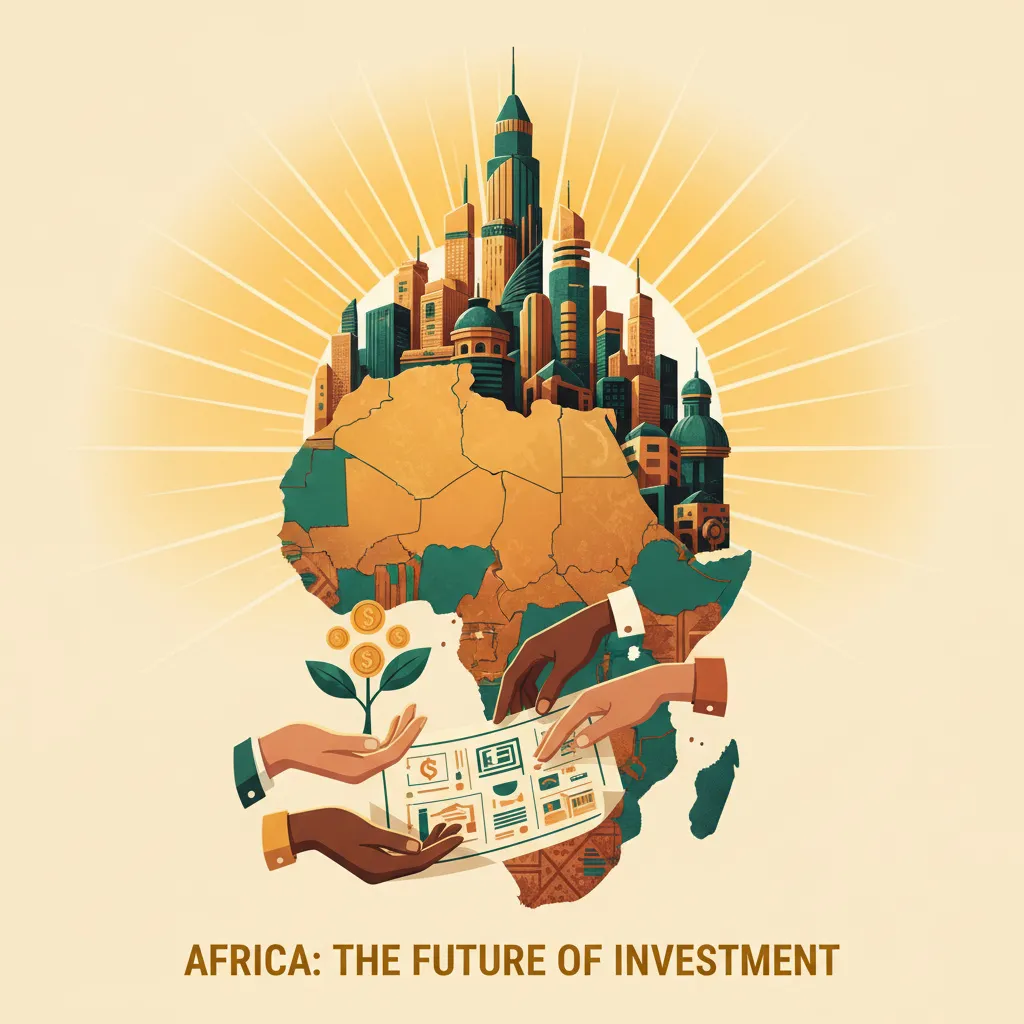
For many African immigrants arriving in the United States, the dream is bigger than personal success. It's about creating a foundation so strong that your children, grandchildren, and great-grandchildren will never have to start from zero. That foundation is called generational wealth—and building it is one of the most powerful legacies you can leave behind.
Consider this: the median wealth of white families in America is roughly eight times that of Black families. For African immigrants who often arrive with little more than determination and education, this gap can feel overwhelming. But here's the encouraging truth—African immigrants are among the most educated immigrant groups in the US, with higher rates of bachelor's and advanced degrees than the native-born population. That education is a powerful starting point. The next step is learning how to convert income into lasting wealth that outlives you.
In this guide, we'll explore what generational wealth means, why it matters profoundly for African immigrant families, the proven pillars for building it, and practical strategies you can start implementing today.
What Is Generational Wealth?
Generational wealth refers to assets passed down from one generation to the next, providing financial security and opportunities that compound over time. It's the reason some families seem to "start ahead"—because they literally do.
Types of Assets That Build Generational Wealth
- Real estate and property — Homes, land, and rental properties that appreciate in value
- Financial investments — Stocks, bonds, mutual funds, and retirement accounts
- Businesses and enterprises — Family-owned companies that generate ongoing income
- Education funding — 529 college savings plans that eliminate barriers to higher education
- Financial literacy — The knowledge to manage, grow, and protect wealth
Without these assets, each generation starts from scratch. With them, every subsequent generation begins on a higher rung of the economic ladder. Read more about the basics of wealth building for immigrants
Why Generational Wealth Matters for African Immigrants
The story of African immigration to America is one of remarkable resilience and sacrifice. But it's also a story of families stretched between two continents, supporting relatives back home while trying to establish roots in a new country. In this context, building generational wealth isn't just a financial strategy—it's a revolutionary act.
Breaking the Cycle of Starting Over
Many African immigrants are first-generation wealth builders. You may have arrived in the US with limited resources but unlimited determination. Building generational wealth means ensuring your children won't face the same starting line you did.
Creating Opportunities for the Next Generation
When a family has assets, children can attend better schools without crushing debt, consider entrepreneurship because they have a safety net, purchase their first home earlier, and take career risks that lead to greater rewards.
The Racial Wealth Gap Context
According to the Federal Reserve's Survey of Consumer Finances, the median net worth of white families is approximately $188,200, compared to just $24,100 for Black families. While some African immigrant groups show higher educational attainment and household incomes than the US average, wealth accumulation still lags significantly.
Why? Because wealth and income are not the same. A six-figure salary doesn't automatically translate to six-figure net worth. Wealth is built through asset accumulation, appreciation, and strategic transfer across generations—areas where African immigrant families often lack the historical knowledge that other communities have developed over centuries. Understanding the racial wealth gap and how to overcome it is essential for every African immigrant family serious about building lasting prosperity.
The Five Pillars of Generational Wealth
1. Homeownership: Your First Major Asset
Homeownership remains the primary wealth-building vehicle for most American families. A home is a forced savings account, a tax-advantaged investment, and a legacy asset you can pass down. Over a 30-year mortgage, homeowners build equity through both principal payments and property appreciation. That equity can fund college educations, seed businesses, or purchase additional properties.
2. Investing in Stocks and Real Estate
While homeownership builds wealth in one asset class, the stock market provides diversification and historically superior long-term returns. The S&P 500 has averaged approximately 10% annual returns over the past century. For immigrant families, the stock market can seem intimidating—especially if you come from countries with unstable financial systems. But the US stock market has been the most consistent wealth-building engine in history.
Key investment vehicles include 401(k) plans (especially with employer matching), IRAs, 529 education savings plans, taxable brokerage accounts, REITs, and rental properties. Learn how to start investing as a first-generation immigrant
3. Business Ownership and Entrepreneurship
African immigrants have entrepreneurship rates nearly double the national average. From healthcare businesses to restaurants to tech startups, immigrant entrepreneurs are building empires—and businesses are one of the most powerful forms of generational wealth. A successful business generates income for multiple family members, can be passed down to children, and builds a brand with lasting value. The key is moving from self-employment to true business ownership where systems allow the business to thrive without your daily involvement.
4. Education and Financial Literacy
Education is the asset that no one can take from you. But formal education is only half the equation. Financial literacy—understanding how money works, how to invest, how taxes function, and how wealth is transferred—is equally critical. You can earn a high income and still build no wealth if you don't understand these principles.
5. Estate Planning and Wealth Transfer
This is where many families falter. Essential components include:
- Life insurance — Provides immediate liquidity to your heirs
- A will — Specifies how assets should be distributed
- Beneficiary designations — Ensures accounts and policies transfer directly
- Trusts — Minimize estate taxes, avoid probate, and control distributions
- Powers of attorney — Designates who makes decisions if you're incapacitated
Without these documents, your wealth may end up in probate court for years, with significant portions consumed by legal fees and taxes. Estate planning essentials for immigrant families
Practical Strategies to Start Building Today
Buy Property Strategically
Work on building your credit score, saving for a down payment (3.5% minimum for FHA loans), and researching neighborhoods with strong appreciation potential. Consider multi-family properties where rental income covers your mortgage.
Invest Consistently in Low-Cost Index Funds
Start with whatever you can afford—even $50 per month—and increase contributions as your income grows. The key is consistency over decades, not timing the market.
Start a Business with Generational Potential
Document your processes, build systems that don't depend entirely on you, and involve your children in age-appropriate aspects. The goal is creating something that outlives your direct involvement.
Open 529 Plans for Your Children
Even modest monthly contributions—$100 or $200—can compound into significant balances over 18 years, with tax-free growth for qualified education expenses.
Secure Life Insurance with Named Beneficiaries
A $500,000 or $1 million term life policy can mean the difference between your family building on your foundation or starting over from zero. Name specific beneficiaries to ensure funds transfer quickly and directly.
Create a Family Trust
For families with significant assets, a revocable living trust can avoid probate, reduce estate taxes, protect assets from creditors, and control how heirs receive their inheritance.
Teaching Children About Money: Age-Appropriate Lessons
Generational wealth fails most often not because it wasn't built, but because the next generation wasn't prepared to manage it.
| Age Group | Key Lessons |
|---|---|
| 3–7 | Money is earned through work; use jars for spending, saving, and giving |
| 8–12 | Allowance tied to responsibilities; open a savings account; introduce investing concepts |
| 13–17 | Checking account and budgeting; small investment account; understand credit and loans |
| 18+ | Student loan decisions; establish credit responsibly; family wealth strategies; insurance and estate planning |
The most important lesson? Money is a tool, not a scorecard. Teach your children that wealth exists to create security, enable generosity, and expand opportunities. How to teach your children about money and wealth
Involving the Whole Family in Wealth Building
Generational wealth is a team sport. Hold regular family financial meetings to normalize money conversations and ensure everyone understands the strategy. Define your family's wealth vision together—whether it's homeownership for every generation, college without debt, a family business, or charitable giving that impacts your home country. Document your financial journey; these records become your family's financial history, as valuable as the assets themselves.
Common Obstacles African Immigrants Face
Sending Too Much Money Home
Remittances are deeply ingrained in African culture, but there's a difference between sustainable support and sacrificing your family's financial future. Create a "giving budget" as a fixed percentage of your income. As your wealth grows, that fixed percentage becomes larger in absolute terms.
Not Saving and Investing Enough
Lifestyle inflation—the tendency to spend more as you earn more—is the silent killer of generational wealth. Aim to save at least 20% of your income, and increase that percentage as your income grows.
Lack of Insurance and Estate Planning
One medical emergency or premature death can wipe out decades of careful saving. Adequate health, life, and disability insurance are non-negotiable. And dying without a will means your assets are distributed according to state law—not your wishes.
Financial Scams
Immigrant communities are often targeted by predatory actors. Stick with reputable, fee-only financial advisors, established banks, and well-known investment companies. How to avoid financial scams targeting immigrant communities
Success Stories and the "Build, Protect, Transfer" Framework
Successful generational wealth building follows a simple framework:
- Build — Increase income, acquire assets, and grow net worth through your working years
- Protect — Insure against risks, optimize taxes, and use legal structures to safeguard assets
- Transfer — Create clear estate plans, teach financial literacy, and pass assets and knowledge to the next generation
Common patterns among successful African immigrant families include starting with homeownership, adding investment accounts, launching businesses that grew, involving children in financial decisions early, and working with qualified financial and legal professionals.
The Role of Community: Investment Clubs and Cooperative Economics
Community structures have always played a vital role in immigrant economic success. Consider joining or forming an investment club with trusted community members to pool knowledge and learn together. Formalize traditional cooperative economics through real estate investment groups, small business lending circles, and professional networks that share opportunities and mentorship. When your community rises, your family rises with it. Joining or starting an investment club in your community
Measuring Progress and Timeline
Wealth building is a marathon measured in decades, not years. Track these metrics annually:
- Net worth (assets minus liabilities)
- Home equity and investment account balances
- Emergency fund (aim for 6 months of expenses)
- Savings rate (aim for 20%+ of income)
- Insurance coverage adequacy
- Estate planning status
The journey typically unfolds across three phases:
- Years 1–10: Foundation Building — Education, career, credit, first home, beginning to invest
- Years 10–25: Acceleration — Peak income, growing home equity, compounding investments, maturing businesses
- Years 25+: Transfer and Legacy — Launching educated children, executing estate plans, shifting from accumulation to preservation
You're planting trees whose shade you may never sit under—and that's the beauty of it.
Frequently Asked Questions
Can I build generational wealth without a high income? Absolutely. Consistent saving, disciplined investing, homeownership, and financial literacy can build significant wealth over time. Your savings rate and time in the market matter more than your absolute income.
Should I focus on paying off debt or building wealth? High-interest debt (credit cards) should be paid off aggressively. Low-interest debt (mortgages) can be managed while simultaneously investing.
How do I balance sending money home with building wealth here? Set a fixed percentage of income for remittances rather than open-ended support. Consider funding income-generating projects back home. Building your own wealth eventually enables far greater giving.
Do I need a financial advisor? Not necessarily when starting out. Many strategies can be self-directed. As wealth grows, a fee-only fiduciary advisor can provide valuable guidance on tax optimization and estate planning.
How do I protect wealth from being lost by the next generation? Teach financial literacy intentionally. Consider trusts that distribute assets gradually. Maintain open communication about your family's values and the purpose behind your wealth.
Can I include assets in my home country in my wealth plan? Yes, but it adds complexity. Work with attorneys experienced in international estate planning to structure this properly.
How does life insurance fit into generational wealth? Life insurance provides immediate, tax-free liquidity to heirs upon death, covering expenses, paying off debts, and providing a financial cushion while other assets transfer.
Conclusion: Your Legacy Starts Now
Generational wealth for African immigrants isn't just about money—it's about breaking cycles, creating possibilities, and rewriting your family's financial story. It's about ensuring that your sacrifice, your long hours, and your unwavering commitment don't end with you.
The pillars are clear: own property, invest consistently, build businesses, protect with insurance, plan your estate, and teach your children. The time to start is always now.
You didn't come this far to only come this far. The foundation you lay today will support generations to come.
Take Action Today
Ready to start building generational wealth for your family? Begin with these three steps this week:
- Calculate your net worth — List all assets and liabilities to know exactly where you stand
- Open a brokerage account — Start with a low-cost index fund and set up automatic monthly contributions
- Schedule an estate planning consultation — Even a simple will and beneficiary review is a powerful first step
Want personalized guidance? Subscribe to our newsletter for weekly personal finance strategies for African immigrants, or schedule a free consultation with our team of financial experts who understand your unique journey.
The best time to plant a tree was 20 years ago. The second-best time is today. Start building your family's legacy now.
Related articles:
Related Guides
529 College Savings Plans: Fund Your Children's Education Tax-Free
Discover how 529 college savings plans help African immigrants fund their children's education tax-free. Learn how 529 plans work, contribution limits, qualified expenses, and step-by-step opening instructions.
Financial Scams Targeting African Immigrants: How to Protect Yourself
Financial scams targeting African immigrants are on the rise. Learn to spot IRS impersonation, Ponzi schemes, romance scams, notario fraud, and more. Protect yourself with our comprehensive guide.
How Much Should You Save for Retirement? Calculator for Immigrants
Use our retirement savings calculator for immigrants to find your target number. Learn how much to save for retirement with immigrant-specific factors, calculation tables, and catch-up strategies. Free worksheet included.
How to Start Investing With $500: A Complete Guide for Black Millennials
Want to start investing $500 as a Black millennial? This beginner guide covers the best platforms, accounts, and investment strategies to build wealth from your first $500.